
What is the kavana?
That is the question we seem unable or unwilling to answer.
Each year, yeshivos must decide when to bring bochurim to the Ohel. On the surface, this appears to be a scheduling choice. In reality, it reflects something much deeper: what we believe the moment is meant to accomplish and what we are training bochurim to value.
Yud Shevat or Chof Beis Shevat?
Both are meaningful, but they are not interchangeable.
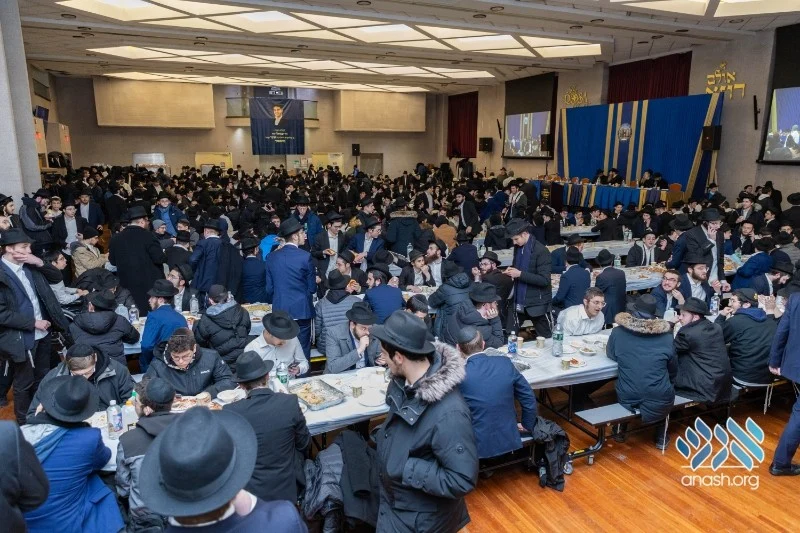
Yud Shevat is the day when all Lubavitch bochurim gather. Every yeshiva, every background, thousands standing together, shoulder to shoulder. The achdus is overwhelming—not symbolic, not planned, but real. The very presence of everyone together creates an atmosphere of seriousness that cannot be replicated. You are not there as a private individual having a personal experience; you are part of a collective moment that defines Lubavitch itself.
That shared gravity is the essence of Yud Shevat.
Chof Beis Shevat is also meaningful—deeply so. It carries real weight and significance. However, the reality at the Ohel on that day is entirely different. There are no bochurim. The Ohel is filled almost exclusively with women. There is no gathering of yeshivos, no shared bochur experience, no collective standing together of talmidim confronting where they are holding.
So what, exactly, is the kavana for bochurim on that day?
If the goal is a bochur-focused moment of connection, reflection, and chinuch, Chof Beis Shevat does not provide that framework. There is meaning, but not for bochurim as a group. There is presence, but without context, structure, or collective purpose.
And this is where the confusion becomes impossible to ignore.
If the kavana is truly Chof Beis Shevat, if that is the day that best expresses what bochurim need, then why is only one yeshiva acting on it? Are all other yeshivos misunderstanding the priority? Are dozens of hanhalos missing something fundamental?
And if the kavana is Yud Shevat, if the priority is achdus, shared seriousness, and standing together on the day that defines the nesius, then why opt out of it?
What emerges is not a clear educational direction, but disorientation.
We are caught between two truths. Yud Shevat is irreplaceable in its achdus, and Chof Beis Shevat is undeniably meaningful. But those truths do not compete; they belong in a hierarchy. When that hierarchy is blurred, the message to bochurim becomes unclear.
Chinuch requires priorities.
Yud Shevat teaches that connection is not customized or private. It is collective. It places every bochur inside something larger than himself and forces an honest reckoning. Where are you standing? Precisely because everyone is there. That is not incidental; that is the power of the day.
Chof Beis Shevat has meaning, but it does not replace Yud Shevat for bochurim. It cannot, and it was never meant to.
Until the kavana is clearly articulated, until we can say what comes first and why, we remain lost. And when the message is unclear, bochurim feel it before anyone else.
Because chinuch is not only about where we go. It is about what our choices teach, whether we intend them to or not.